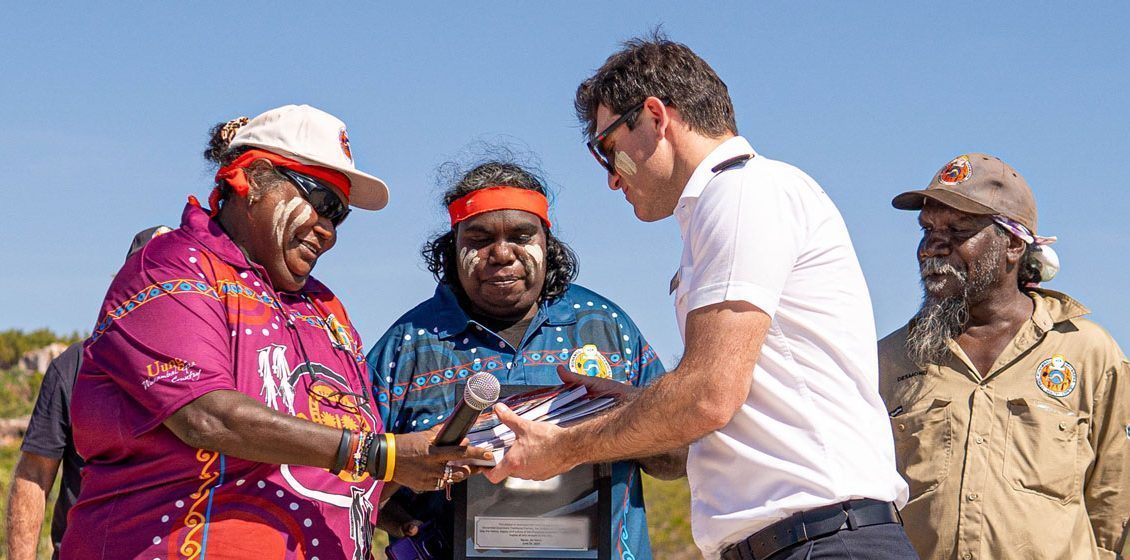
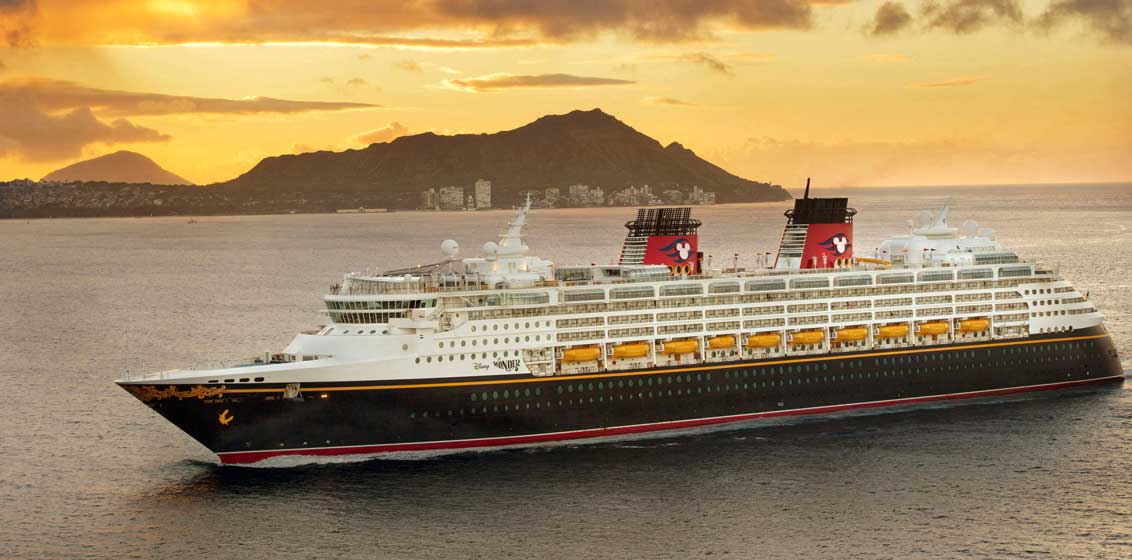
Often presented to travellers as a natural wonder, the Kimberley’s human stories are frequently overlooked, creating a fundamental misconception about the region that Seabourn is working with local communities to remedy.At a recent media event in Sydney, Seabourn’s Senior Director Destination Management Michael Mihajlov explained that while much marketing of the region tends to focus on its natural attractions including its gorges waterfalls and red rock escarpments, this focus downplays the human presence – particularly the ongoing custodianship of Indigenous peoples who have lived in and cared for the region for tens of thousands of years.“The Kimberley is often presented as a wilderness experience,” he said. “And when I would talk to Traditional Owners, they would say, ‘Well, we’re a bit confused about that, because we have people who live here. It’s not really wilderness.’”For many communities, the tourism industry’s emphasis on untouched landscapes has overlooked the region’s deep cultural significance, with it layered with Dreamtime stories, sacred sites, language and identity.This is why the Ngula Jar Island initiative is so important – shifting the narrative to include the communities that live there, according to Mihajlov. The transformative cultural tourism project, which kicked off with the christening of Seabourn Pursuitwith the Wunambal Gaambera people named godparents, is bringing the Traditional Owners back to their ancestral lands on the island to welcome cruise visitors, revive cultural practices, and build economic opportunity.
The initiative – a partnership between Seabourn, Tourism WA, and the Wunambal Gaambera community – marks a new chapter in Indigenous-led tourism and cultural renewal in one of Australia’s most remote regions.“This has been a real pet project of mine,” Mihajlov said. He has worked closely with Traditional Owner groups over the past decade to bring it to fruition. “It all started with connecting with communities.”The Ngula Jar Island project, now fully funded, aims to revitalise the Wunambal Gaambera community’s connection to country near the Hunter River through the establishment of a seasonal cultural base on the island.“A big part of that was to develop a site on Jar Island where the people could actually go and spend the dry season,” he said.The site will serve as a seasonal home for Traditional Owners who will host visiting cruise guests with a traditional Juba – a welcome ceremony featuring dance and smoking rituals – and provide Indigenous interpretation of ancient rock art sites, helping visitors see the land through an Indigenous lens.“This is a way to give these people a voice,” Mihajlov added. “It’s a very, very meaningful way for our guests to connect with these people.”
While strengthening the local communities presence in the tourism industry, its scope is much broader. One of its goals is to revive cultural knowledge and practices that have been lost due to displacement and colonisation, when many community members were removed from their traditional lands and relocated to missions.Among the skills being rediscovered is raft building, linked to ancient migration routes – a project that draws inspiration from Raft Point, a rock art site depicting the ancient rafts believed to be used by early Indigenous Australians during their migration over 80,000 years ago, Mihajlov explained. “Those timber rafts, the technology has been lost,” he said. “A big part of the goal was to reinvent and rediscover that technology.”Seabourn is also supporting the development of self-sustaining industry for the Wunambal Gaambera, with local artists producing authentic works of art and craft to sell. The cruise line supplies the Wunambal Gaambera Aboriginal Corporation with pearl shells, in partnership with Paspaley, and various art supplies and polishing materials to foster sustainable, commercial arts and craft initiatives all year round.“We really had to understand what the people wanted and what their vision was,” Mihajlov said. “This was all their vision.”The project has received strong backing: initial contributions were matched by the State of Western Australia, and in January, the Commonwealth committed an additional $1 million, also matched by the state. The site is now under active development.“This story is one of partnership. This is one of development,” Mihajlov said. “Of evolving experience beyond just a beautiful geographical wonder… into a really meaningful cultural connection.”